10 Signs Its not you, its your nervous system
Many people believe stress shows up only as anxiety or overwhelm.
But nervous system dysregulation is often quieter, more persistent, and easier to miss.
It shows up in how you think, how you react, how you relate to others, and how your body feels over time.
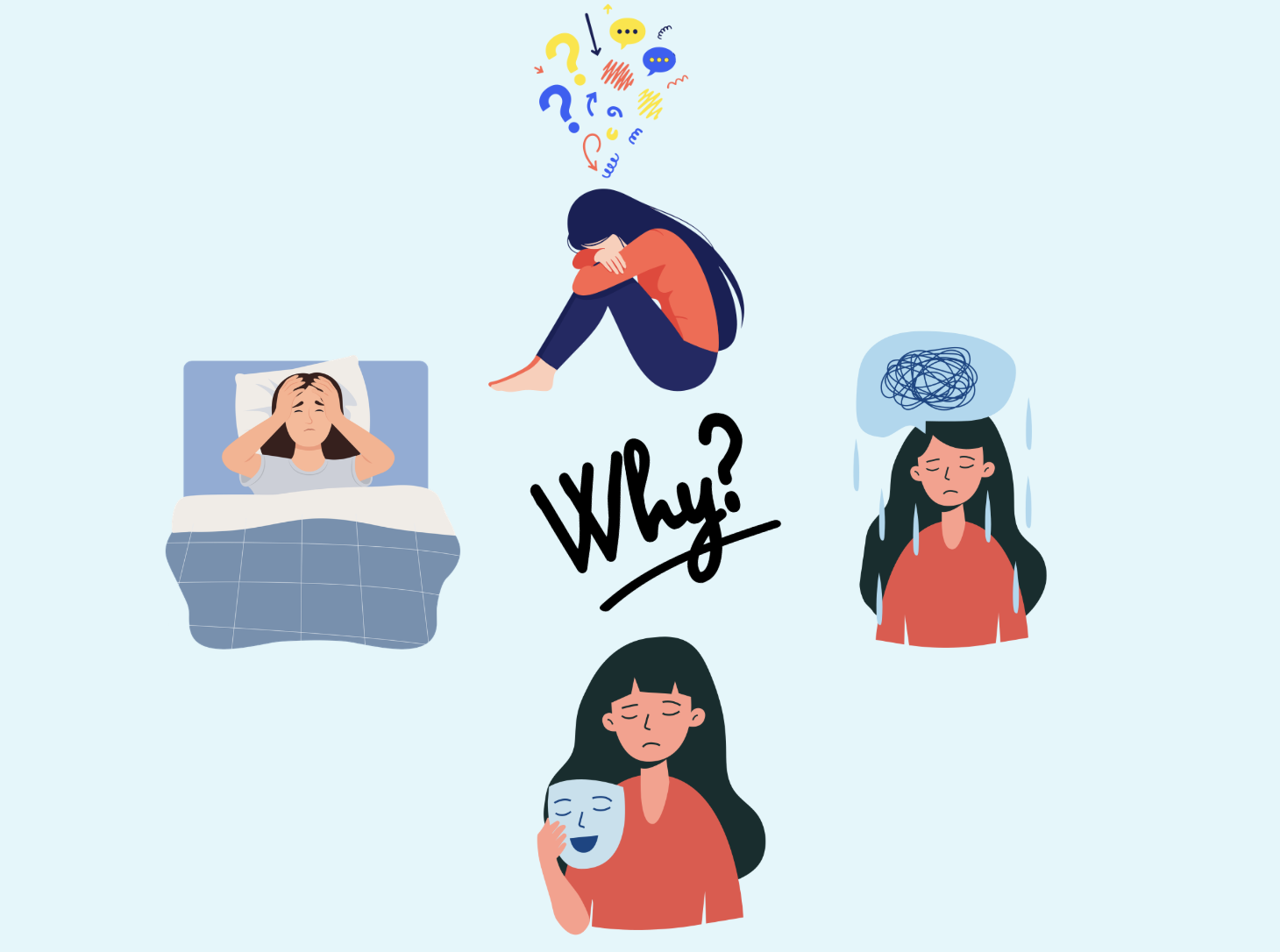
If you’ve ever wondered, “Why does life feel harder than it should?” or “Why do I keep reacting this way?”—your nervous system may be trying to communicate something important.
Here are ten common signs your system may be living in dysregulation.
1. Your Mind Feels Constantly Busy or Scattered
You struggle to focus, jump from thought to thought, or feel like your mind never slows down. Even when nothing urgent is happening, your thoughts feel loud or relentless.
This is often a sign your nervous system is staying alert, scanning for potential problems instead of settling into calm focus.
2. Your Emotions Feel Overwhelming or Shut Down
You may feel flooded by emotion one moment and numb the next. Expressing feelings feels uncomfortable, unsafe, or inconvenient, especially if you’re used to prioritizing other people’s needs over your own.
Dysregulation can make emotional expression feel risky, even when nothing is actually wrong.
3. Anger Feels Hard to Access or Hard to Contain
Some people rarely feel anger at all. Others experience it in sudden, intense bursts. Both can be signs that your nervous system doesn’t know how to process anger safely.
Anger isn’t the problem. It’s the lack of regulation around it.
4. You Feel Stuck, Unsure, or Lacking Confidence
Self doubt, indecision, low confidence, or conflict avoidance can leave you feeling frozen in place. Even when you know what you want, taking action feels strangely difficult.
This often happens when your system prioritizes safety over growth.
5. The Same Relationship Patterns Keep Repeating
You may find yourself caught in recurring drama with friends, staying in unhealthy relationships too long, or reliving similar emotional dynamics with different people.
These patterns aren’t coincidence. They’re familiar emotional environments your system recognizes.
6. You Feel the Need to Always Stay Busy
Overworking, constant cleaning or organizing, obsession with goals, productivity, winning, or perfection can all be ways your nervous system avoids slowing down.
For a dysregulated system, stillness can feel unsafe.
7. Your Sleep Never Feels Truly Restorative
You may struggle to fall asleep, wake frequently, sleep excessively, or wake up exhausted no matter how much rest you get.
When the nervous system doesn’t feel safe, deep rest is difficult to access.
8. Life Feels Flat or Distant
You’re functioning, but not fully present. Joy feels muted. You’re going through the motions instead of truly participating in your life.
This is often a sign of shutdown, not lack of gratitude or motivation.
9. Your Body Is Carrying the Stress
Chronic headaches, muscle pain, stomach issues, fatigue, or other physical symptoms are common signs of long-term nervous system strain.
When emotions aren’t processed, the body often speaks instead.
10. You Withdraw or Disconnect From Others
You isolate, ignore messages, avoid calls, give the silent treatment, procrastinate, or experience chronic anxiety or irrational fears. You may also notice repeating emotional cycles—feeling left out, assuming others are upset with you, or apologizing excessively even when you’ve done nothing wrong.
These are protective responses, not personal flaws.
What These Signs Really Mean
None of these signs mean something is wrong with you.
They mean your nervous system has been under pressure and has adapted to survive.
Dysregulation is not a diagnosis.
It’s a state.
And states can change.
The Path Forward
Healing doesn’t come from forcing calm, fixing behavior, or pushing through discomfort.
It comes from learning how to:
-
recognize what your system is responding to
-
understand the unmet needs underneath your reactions
-
and gently teach your nervous system that it is safe to respond differently
When regulation returns, clarity improves.
Reactions soften.
Relationships feel easier.
And life begins to feel more livable again.
How We Help
At behavior & emotion, we help people understand what their nervous system is communicating and how to respond in a way that creates real change.
We don’t focus on managing symptoms or forcing calm. Instead, we help you identify the subconscious emotional patterns driving your reactions, recognize the unmet needs beneath them, and learn how to meet those needs in real time. When that happens, the nervous system no longer has to rely on the same protective responses.
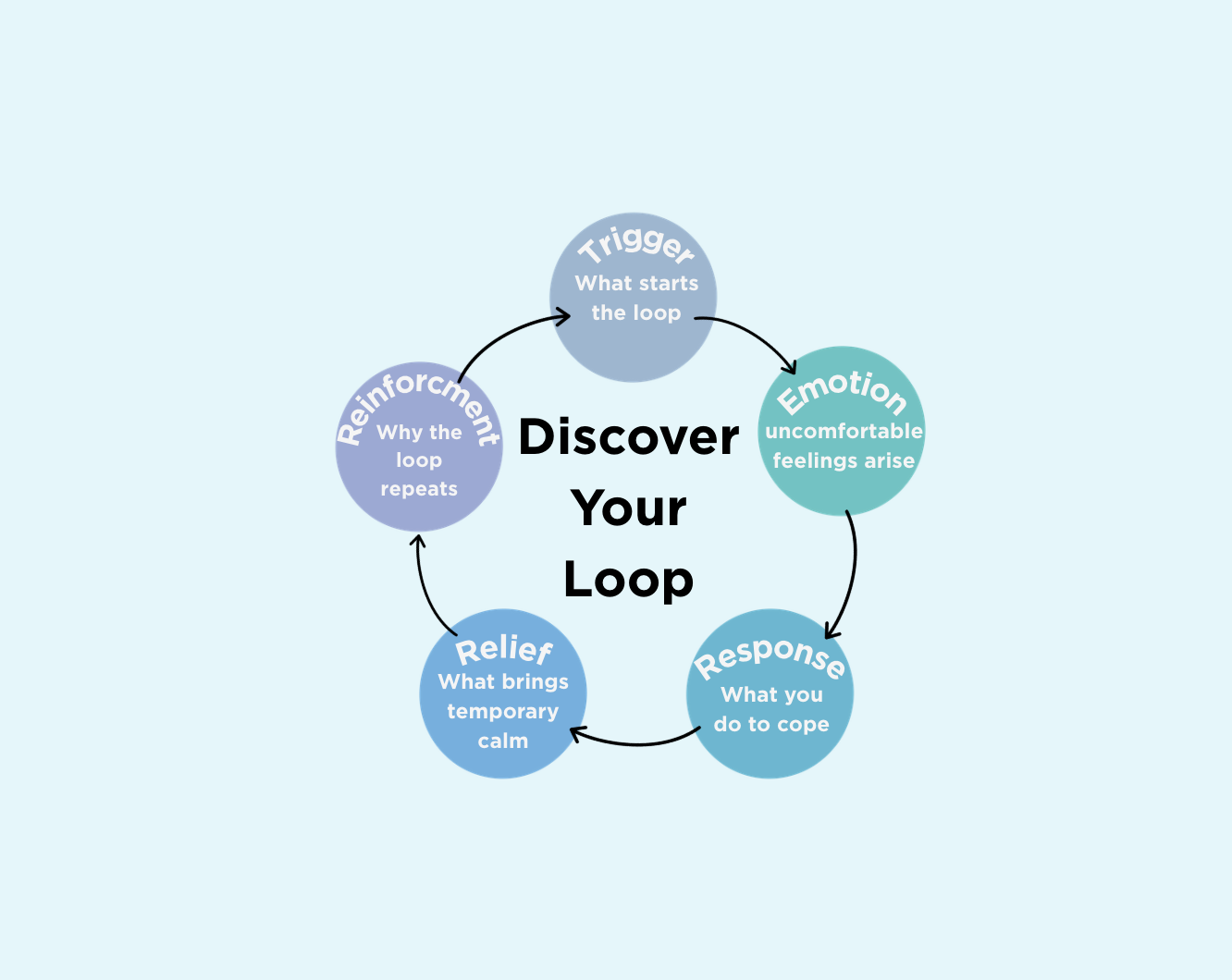
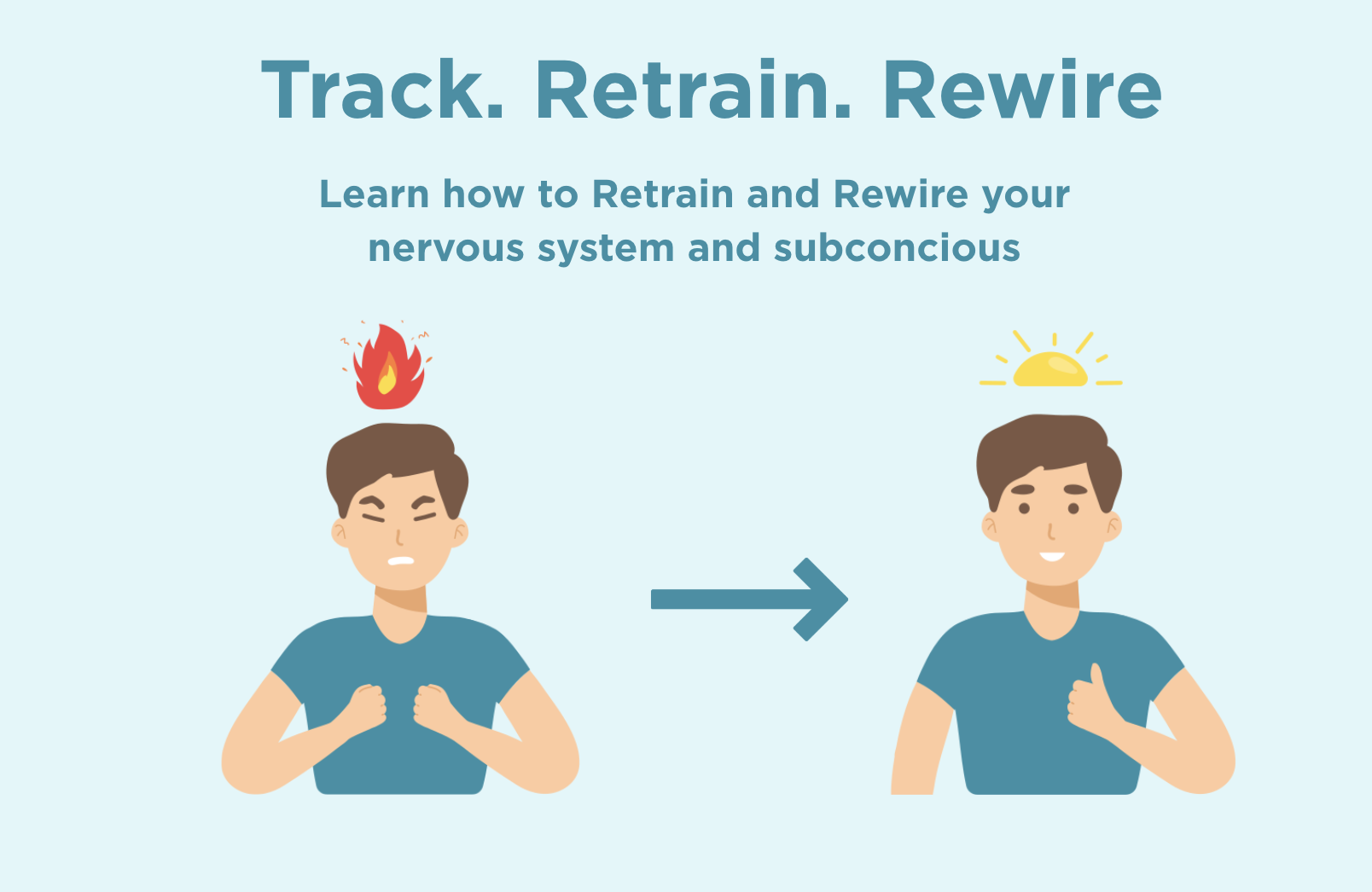
Through our Loop System and Track. Retrain. Rewire. process, we guide you step by step in learning how to interrupt automatic reactions, build regulation, and respond with more clarity and confidence. Over time, your system learns something new, and the patterns that once felt overwhelming begin to soften.
This work gives you more than insight.
It gives you a skill you can use for the rest of your life, in your relationships, and pass on to your children and future generations.